
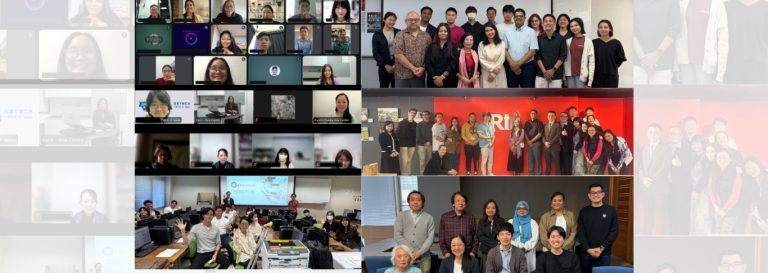
Asia Centre has played an active role in advancing digital security and online resilience across East Asia for 91 participants, working in close collaboration with a diverse range of partners, including democracy foundations, universities, media institutions, and regional learning platforms. The aim of the digital security initiative was to strengthen the capacity of activists, youth leaders, journalists, and emerging advocates to navigate digital spaces safely. At the end, all participants were able to enhance their awareness of online risks including those linked to artificial intelligence, and promote secure and informed digital participation across diverse communities.
Digital Security Training (DST) sessions were conducted between January and April 2026 in partnership with the Korea Democracy Foundation (KDF), Taiwan Asia Exchange Foundation (TAEF), National Chengchi University, Radio Taiwan International (RTI), YWCA Japan, Okinawa International University, and Kyushu University, and delivered in the Republic of Korea, Taiwan, and Japan. The sessions engaged participants from high-risk and digitally vulnerable groups, including youth, journalists, research fellows, and international advocates.
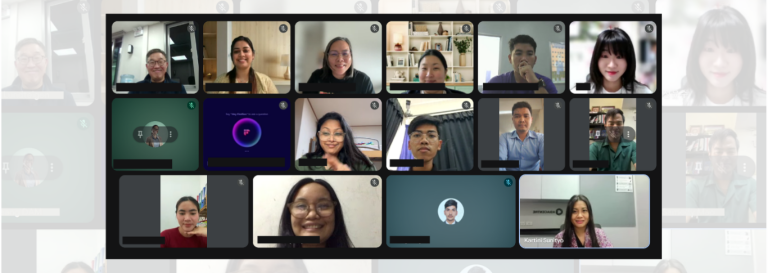
Republic of Korea
On 5 March 2026, a Digital Security training – End Beneficiaries (DST-EB) session was held virtually in conjunction with International Women’s Day, as part of the Asia Centre’s collaboration with the Korea Democracy Foundation (KDF). The session convened 19 activists, advocates for digital democracy, and youth leaders from the Republic of Korea (ROK) and international communities connected to the KDF, including its International Goodwill Ambassadors for Democracy. The session highlighted threats unique to women and girls, in alignment with International Women’s Day, and addressed emerging risks associated with artificial intelligence. The training formed part of a joint initiative between Asia Centre and the Korea Democracy Foundation (KDF), contributing to their broader engagement with networks in the Republic of Korea, across Asia, and within global partner communities, and aimed to strengthen digital security awareness and capacity among emerging leaders.
Taiwan
From 18 to 19 March 2026, Asia Centre’s Regional Director, Dr James Gomez, and Partnerships Manager, Kartini Sunityo, undertook a series of Digital Security Training (DST) sessions in Taipei, Taiwan, in collaboration with partner institutions. Kartini Sunityo delivered two end-beneficiary (DST-EB) sessions over the two days.

On 18 March 2026, Asia Centre, in partnership with the Taiwan Asia Exchange Foundation (TAEF) and National Chengchi University, co-organised a Digital Security Training – End Beneficiaries (DST-EB) session attended by 18 participants, primarily youth, research fellows, and international advocates including from Asia and the Pacific. The event was held on the sidelines of the 9th Yushan Forum, which took place in Taipei on 16–17 March and was organised by TAEF in collaboration with the Ministry of Foreign Affairs (MOFA).

On 19 March 2026, a second Digital Security Training – End Beneficiaries (DST-EB) session was conducted in collaboration with Radio Taiwan International (RTI), with 20 participants, most of whom were RTI Academy staff, journalists, and foreign correspondents. The integration of AI-assisted translation into local languages was introduced and utilised during the session, and was positively received by the trainees.
The Taiwan training series aimed to equip participants with the knowledge and skills to identify digital threats including the emerging of AI generated threats, secure their online presence and accounts, and enhance their understanding of privacy, online safety controls, and relevant security tools. The participants largely comprised high-risk and digitally vulnerable groups.
Japan
From 6 January to 26 April 2026, Asia Centre’s Regional Director, Dr James Gomez, and Dr Kiyono Hasaka undertook a series of Digital Security Training (DST) sessions in Japan in collaboration with partner institutions. Dr Kiyono Hasaka delivered three end-beneficiary (DST-EB) sessions.
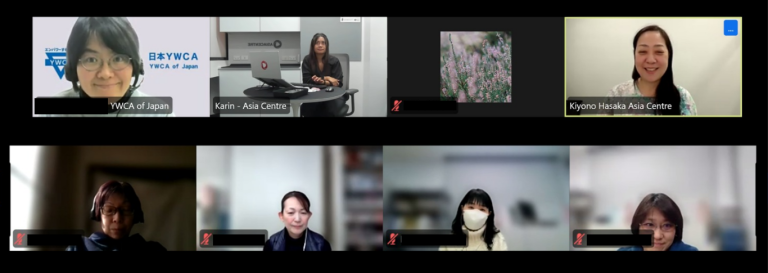
On 6 January 2026, Asia Centre delivered an online Digital Security Training – End Beneficiaries (DST-EB) session in Japan, in collaboration with YWCA Japan. The session was attended by 8 participants, most of whom were women representatives from national-level organisations. Connecting individuals with experience in advocacy and community engagement, the training created an interactive space to strengthen understanding of digital security practices.
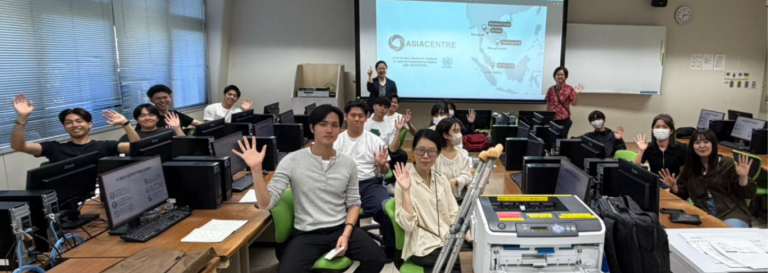
On 20 April 2026, Asia Centre in collaboration with Okinawa International University, successfully organised an onsite Digital Security Training – End Beneficiaries (DST-EB) in Naha, Japan. The session was attended by 16 participants, most of whom were local youths, bringing together individuals with varying levels of digital experience and online experience.The training created an inclusive and interactive learning environment where participants were able to exchange perspectives, build foundational knowledge, and strengthen their understanding

On 26 April 2026, Asia Centre, in collaboration with Kyushu University, conducted an online Digital Security Training – End Beneficiaries (DST-EB) session in Fukuoka, Japan. The roundtable discussion brought together 10 participants and focused on strengthening their ability to identify digital risks and secure their online identities and accounts, while also enhancing their understanding of data privacy, practical safety strategies, and essential digital security tools.
In conclusion, Asia Centre’s Digital Security Training (DST) initiative across East Asia has demonstrated a comprehensive and collaborative approach to strengthening digital resilience among diverse and often vulnerable groups. Through strategic partnerships with regional institutions and tailored training sessions in the Republic of Korea, Taiwan, and Japan, the programme successfully enhanced participants’ capacity to identify and respond to evolving digital threats, including those associated with artificial intelligence. By fostering practical skills, critical awareness, and cross-border engagement, the initiative has contributed to building a more secure, informed, and resilient network of activists, journalists, youth leaders, and advocates across the region, supporting safer and more inclusive digital participation.