Fragmentation in collaboration and uneven access to digital knowledge continue to shape how civil society organisations (CSOs) in the Southern Region engage with issues of digital democracy and civic space. Despite a diverse ecosystem of grassroots organisations, indigenous groups, independent media, and youth initiatives, limited coordination and knowledge-sharing mechanisms have constrained sustained and collective engagement.
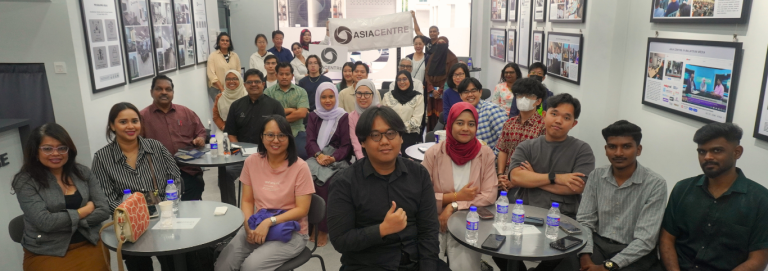
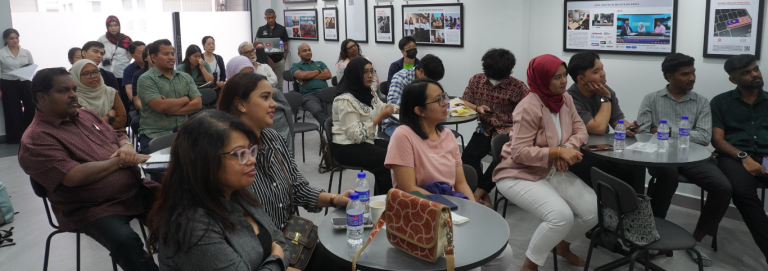
These dynamics were explored during the convening “Establishing a Southern Region CSO Network’, held on 23 May 2026 at the Asia Centre Media Hub in Iskandar Puteri, Johor, Malaysia. The convening brought together approximately 40 participants from civil society organisations, community-based groups, independent media, advocacy networks and youths to discuss regional challenges and identify pathways for strengthening collaboration.
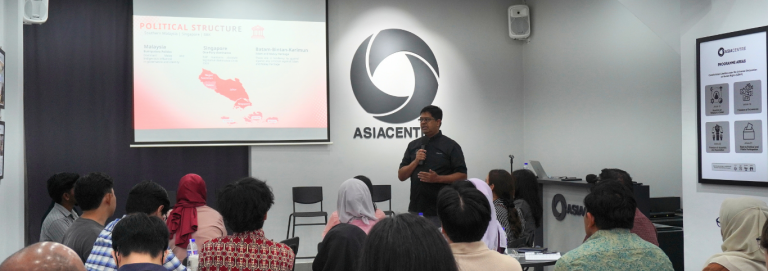
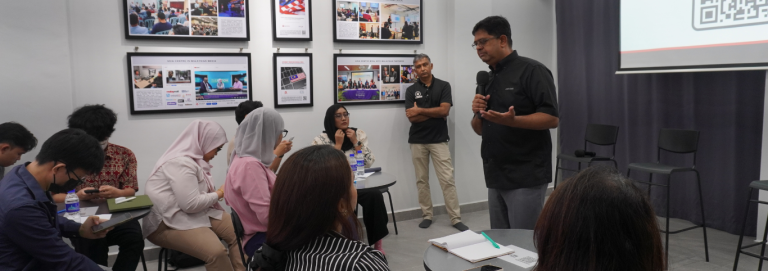
The event began with welcome remarks, followed by a session on The Southern Region’s Landscape led by Dr. James Gomez, Regional Director of Asia Centre. The session provided an overview of the civic and digital landscape across Southern Malaysia, Singapore, and the Batam, Bintan, and Karimun (BBK) region, highlighting the importance of strengthening regional collaboration among CSOs amid rapid technological and socio-economic developments.
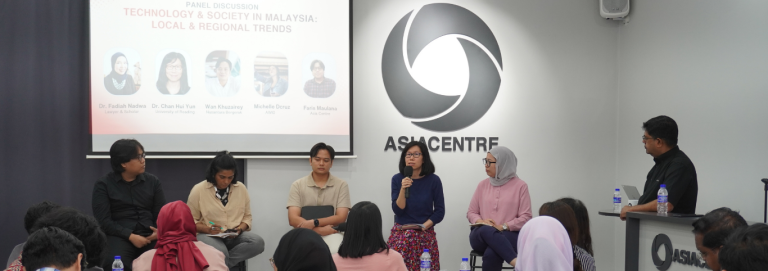
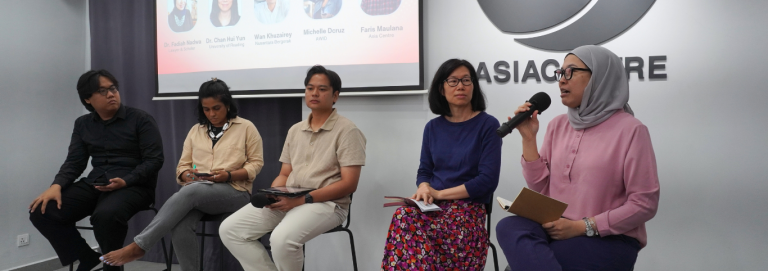
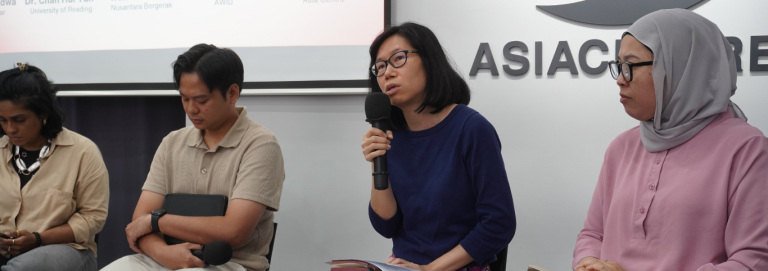
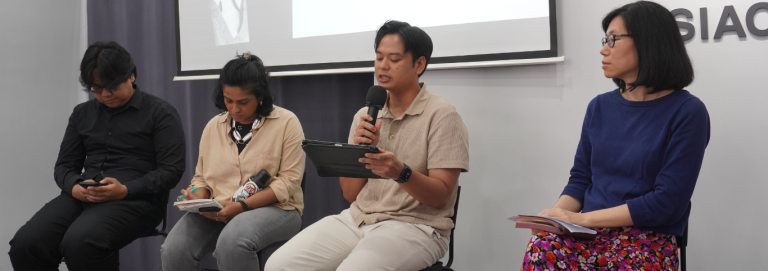
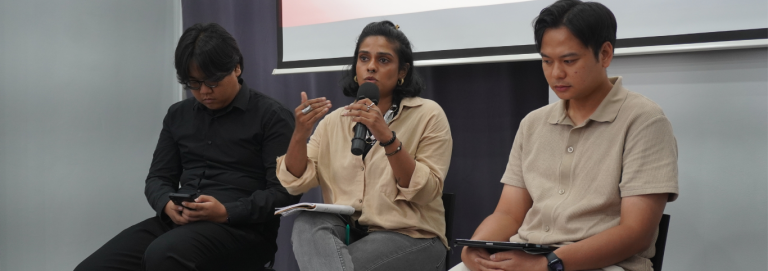
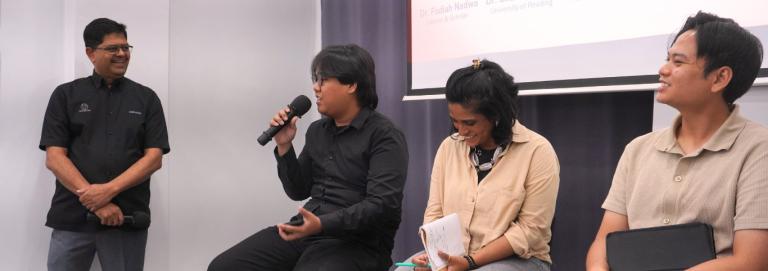
This was followed by a panel discussion on Technology and Society in Malaysia: Local & Regional Trends, featuring, from right, Dr. Fadiah Nadwa, lawyer and scholar; Assoc Prof Dr Chan Hui Yun from the School of Law, University of Reading Malaysia (UoRM); Wan Khuzairey from Nusantara Bergerak; Michelle D’Cruz from Association for Women’s Rights in Development (AWID); and Faris Maulana, Asia Centre research intern and student from Universiti Utara Malaysia (UUM).
The discussion highlighted the growing influence of digital technologies on civic participation, governance, and social life. Discussions highlighted concerns surrounding surveillance, mis/disinformation, and the rapid development of artificial intelligence, while also emphasising the importance of accountability, human-centred approaches, and transnational solidarity in navigating evolving digital challenges.
Dr. Fadiah Nadwa reflected on how rapid information flows have transformed digital spaces into crucial sites for shaping politics, while also intensifying state surveillance and repression targeting opposing ideas. She emphasised the importance of organising diverse sections of society, strengthening national consciousness, and building transnational solidarity to collectively address issues such as labour migration and restrictions on freedom of expression, online censorship and public discourse surrounding war and genocide have become increasingly interconnected across borders and digital spaces.
Assoc Prof Dr Chan Hui Yun highlighted the growing influence of digital health technologies and artificial intelligence, noting that while these developments carry immense potential, they also introduce new legal, ethical, and societal challenges. She emphasised that existing legal frameworks continue to evolve in response to the rapid pace of technological advancement, stressing that trustworthy governance and accountability are essential in strengthening public trust, participation, and engagement in the use of emerging technologies.
Meanwhile, Wan Noor Khuzairey spoke on the humanisation of society in the age of technology, reflecting on how modern societies increasingly risk reducing individuals into passive consumers overly dependent on systems and machines. He stressed that a truly humane society must continue placing human needs, ethical responsibility, compassion, and meaningful relationships above efficiency and material production. Emphasising the importance of critical thinking and social solidarity, he noted that technological advancement should remain a tool that supports human freedom, creativity, and collective well-being, rather than becoming a force that dominates or diminishes human life.
Michelle D’Cruz shared how governments are increasingly relying on real-time data, machine learning, and digital systems to shape public policy and determine access to social assistance. While acknowledging the efficiency of evidence-based policymaking, she cautioned that excessive dependence on automated systems risks overlooking the lived realities of vulnerable communities. She also highlighted growing tensions between governments, technology companies, and civil society groups, while pointing to the emergence of grassroots organising and network-based movements, including collective advocacy efforts among gig workers in Singapore, as examples of how digital platforms can also support solidarity and rights-based mobilisation.
Amid discussion, Faris Maulana shared a youth perspective informed by his field research on Indonesia’s Batam, Bintan, and Karimun islands. Reflecting on the challenges faced by researchers, he highlighted issues such as outdated online information, delayed government responses, and bureaucratic barriers in accessing official data. He also noted the growing integration of artificial intelligence into student life and academic environments, emphasising the increasing need for information verification and responsible AI usage within universities.
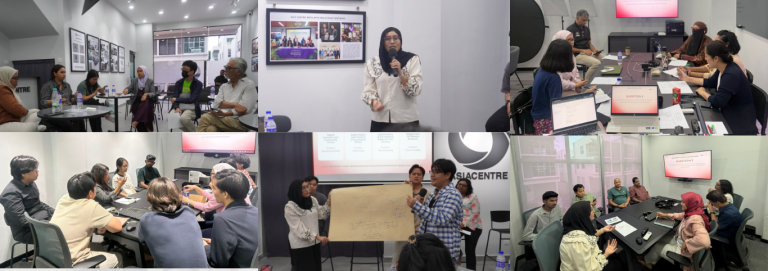
In the afternoon, participants engaged in breakout sessions moderated by Shakila Zen, activist from Persatuan Aktivis Sahabat Alam (KUASA) focusing on the following thematic areas: 1) Digital Inclusion and Community Voices; 2) Digital Rights and Freedom of Expression; 3) Digital Safety and Surveillance Risks for Civil Society; and 4) Digital Care for Women Activists. Each session created space for more in-depth discussions, enabling participants to exchange experiences, identify shared challenges, and propose practical strategies for strengthening digital engagement across sectors. Each group representative later presented key reflections and recommendations from their discussions, further encouraging audience engagement and collective exchange of ideas.
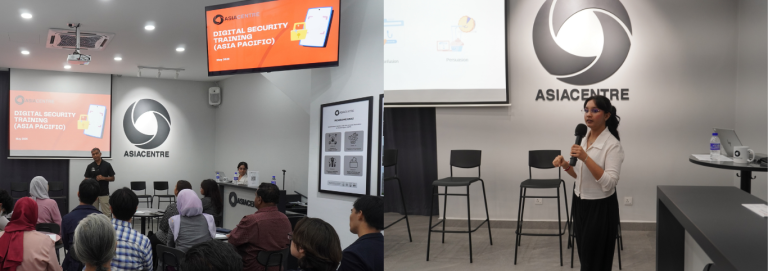
After the breakout sessions, a Digital Security Training– End Beneficiaries (DST-EB) session was conducted by Kimberley Cassandra, an Asia Centre media intern and student from Management and Science University Malaysia (MSU). The training was supported by Asia Centre’s master trainer Sanjay Gathia and the session provided participants with practical tools and knowledge to better manage online risks and threats. The interactive training emphasised the importance of integrating digital security practices into organisational workflows and advocacy efforts, while also creating space for participants to engage with the speakers, exchange perspectives, and raise questions during the discussion and Q&A session.
The one day convening ended with a discussion around movement building, led by Dr. James Gomez, which focused on The Establishment of a Southern Region CSO Network. The session explored the importance of fostering sustained collaboration, strengthening coordination, and building collective advocacy efforts among CSOs in the region. Following the discussion, participants engaged in networking and connection-building, creating opportunities to exchange contacts, share experiences, and explore potential future collaborations and partnerships beyond the convening.
Overall, the one-day digital democracy event “Establishing a Southern Region CSO Network” underscored the growing need for inclusive, community-centred approaches in navigating technological change and digital transformation, while reinforcing the importance of regional solidarity, public accountability, and continued civic engagement in shaping a more connected and resilient civil society ecosystem.
Coverage of the convening by media outlet Apa Khabar TV is available here: “When Humanity Speaks Louder Than Machines: Southern Civil Society Unites for a More Compassionate Digital Future”, published on May 24, 2026.