
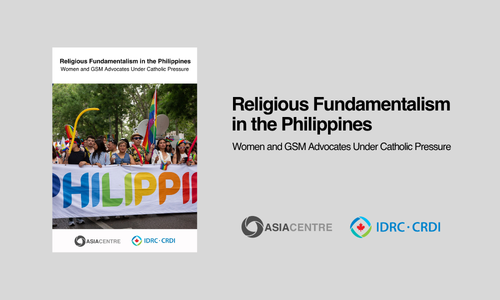
Religious Fundamentalism in the Philippines: Women and GSM Advocates Under Catholic Pressure
Coming Soon In the Philippines, the enduring influence of Catholic fundamentalism and conservative religious networks has constrained civic space and intensified backlash against women and gender and sexual minority (GSM) advocates. This influence is embedded throughout institutions, local patronage and public morality, allowing anti-rights actors to present equality claims as
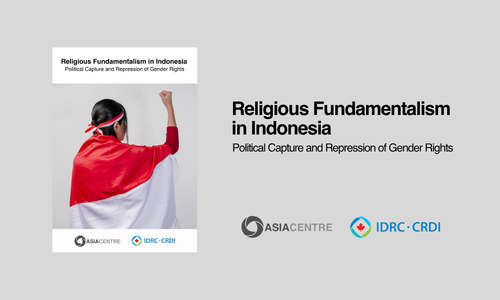
Religious Fundamentalism in Indonesia: Political Capture and Repression of Gender Rights
Coming Soon The fall of Indonesia’s New Order regime in 1998 and the resulting democratic transition created new opportunities for political participation and civic engagement. At the same time, it facilitated the re-emergence of political Islam as a powerful force within public life. Over time, and especially since the early
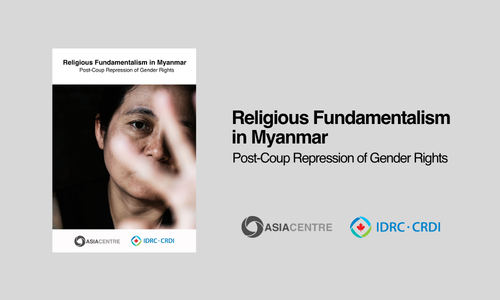
Religious Fundamentalism in Myanmar: Post-Coup Repression of Gender Rights
Download Full Report In Myanmar, the 2021 coup d’état led to the collapse of civic space and a rise in authoritarian control. At the same time – and less discussed – the authoritarian environment that followed saw the re-emergence of Buddhist fundamentalism, which uses military violence and a centralised Buddhist-Bamar