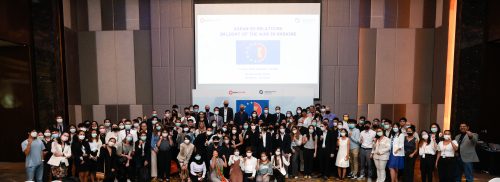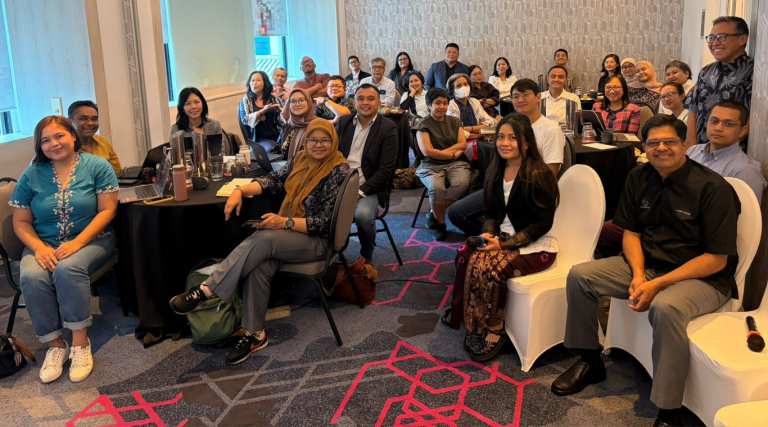
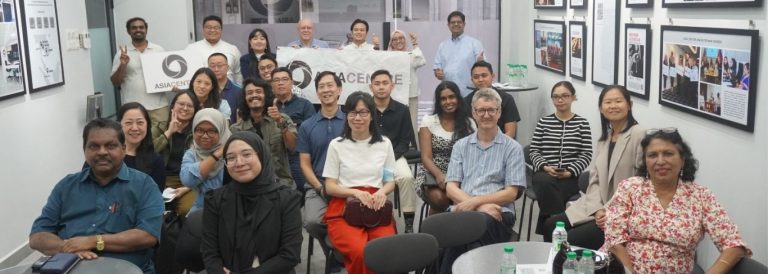
Misleading climate narratives that support the appropriation of Indigenous Peoples entitlements and distort public understanding of land rights have become a growing concern in Malaysia. These dynamics are captured in the initial findings of “Climate Disinformation in Malaysia: Appropriating Indigenous Peoples’ Rights”, which were shared during a national convening held on 7 January 2026 in Asia Centre Media Hub, Iskandar Puteri.
The convening brought together approximately 30 Indigenous representatives, civil society groups, journalists, and academics to unpack how climate disinformation is affecting Indigenous communities in Malaysia and to explore collective strategies for addressing its impact.
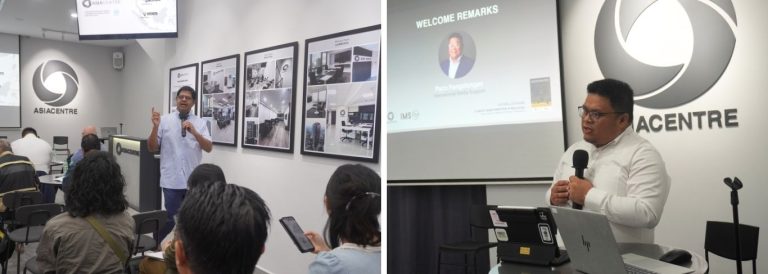
The event began with opening remarks by Dr. James Gomez, Regional Director, Asia Centre, where he explained that the Malaysia research is part of a wider regional series spanning multiple Asian countries. He said the findings disseminated through reports, media coverage, public events, and policy engagement, allows the research to reach the ground in local contexts while contributing to broader regional and international human rights discussions. IMS Disinformation & Tech Policy Adviser, Paco Pangalangan was next, he emphasised that the research on climate disinformation provides language to identify and interrogate the systems behind false climate narratives. He said this enables deeper reflections about how technology, accountability, participation, and power interact between indigenous people and climate change.
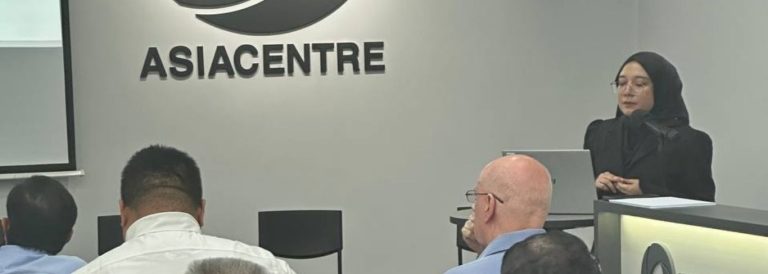
The opening remarks set the background for the presentation of the report’s key findings. Asia Centre’s Azieqa Aiin, highlighted indigenous people’s exclusion from decision-making, how they experience forced conversions, displacement, land rights violations, as well as suffer the criminalisation of their resistance to climate change. All of which exacerbate structural inequalities and leave communities vulnerable to climate disinformation. Thereafter she presented some targeted recommendations for governments, NGOs, media, technology companies, and Indigenous communities, focusing on the recognition of customary lands, integration of traditional ecological knowledge, and meaningful participation in climate governance.
An active roundtable discussion and Q&A session, moderated by Paco Pangalangan, followed. The panel featured 4 speakers:
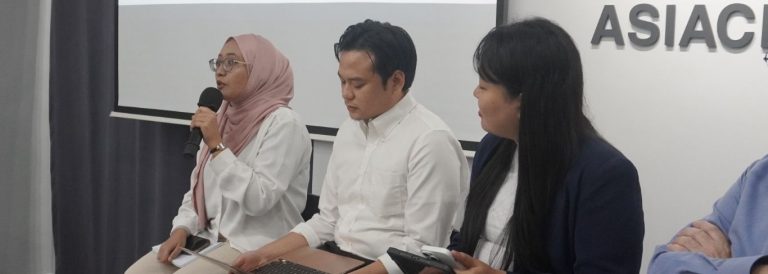
Shakila Zen, Environmental Activist from KUASA, highlighted the ongoing challenges facing indigenous people such as superficial public hearings, limited access for Indigenous participants, and misleading government claims climate, which mask the true extent of misinformation.
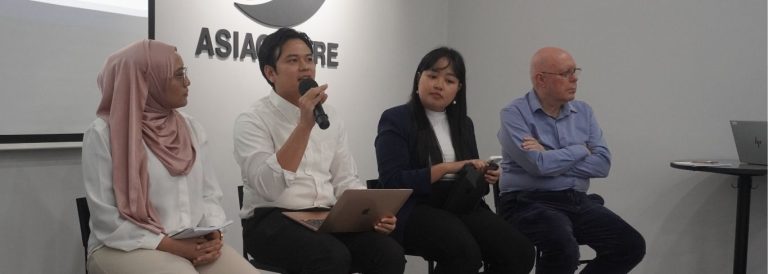
Wan Khuzairey, researcher and postgraduate at Universitas Indonesia explained that land grabbing and development projects, often justified as modernization, erase Indigenous history, collective identity, and cultural continuity, while greenwashing and misleading narratives obscure the social and environmental costs. He added that these impacts are rarely reflected in public discourse or media coverage.
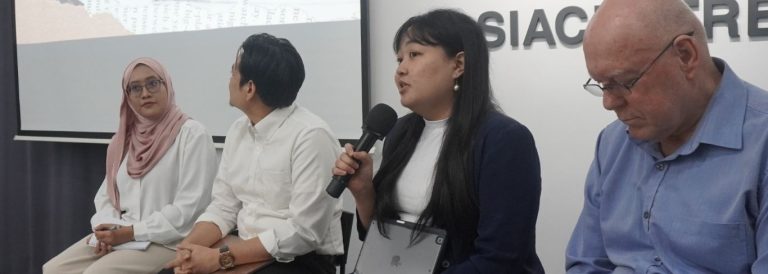
Rhema from the Orang Asli Welfare Ministry of Rhema City Church Johor, drew attention to the real-life social and economic costs of climate misinformation and development projects. She described how landfilling and relocation of villages disrupted traditional livelihoods and drastically reduced income and eroded cultural practices, with little media coverage or public awareness of their struggles.
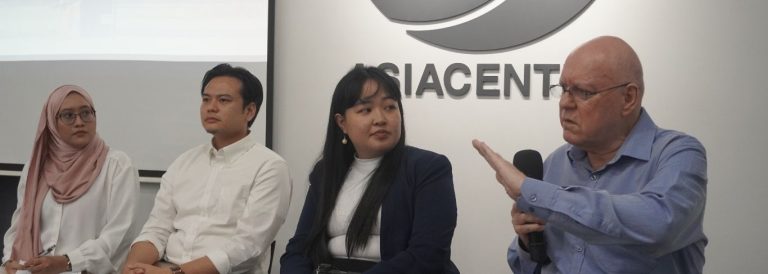
Prof. Dr. Andrew Harding, University of Reading Malaysia, outlined Malaysia’s legal framework, particularly the National Land Code and the Bumiputera classification, which creates blind spots that allow climate disinformation to persist without accountability.
The panel then explored key issues and engaged participants in an interactive question answering session. Among the questions raised were, “Where does Malaysia’s legal and policy framework fall short in protecting indigenous entitlements from being overridden by climate related agendas?”, “Why do the authorities provide basic necessities to the majority population, yet withhold them from Indigenous communities?” along with several other questions were addressed by the panelists.
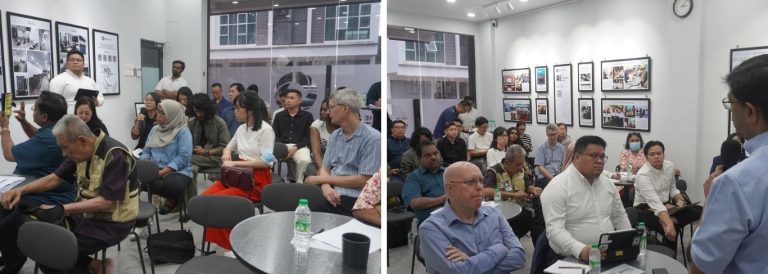
Overall, the discussion highlighted the consistent absence of Indigenous peoples in Malaysia’s historical narrative, from the colonial period to the present day. They are not recognized with a special category, instead they are lumped together under the broad label of ‘others’ (lain-lain), and the speakers agreed that Indigenous communities continue to have very little visibility in Malaysian history. This to some extent explains their marginalised nature in Malaysian society and how any discussion of indigenous peoples rights is often considered “sensitive”.
In closing, Dr. James Gomez expressed the gratitude to the panellists and participants for their valuable insights and contributions. He added that the feedback collected during the convening would help strengthen the upcoming report and foster ongoing collaboration among research institutions, civil society, and media actors both in Malaysia and in the region. He invited the participants to review the reports published thus far in the series.
The published reports is this series published to date includes:
- Climate Disinformation in Cambodia: Undermining Indigenous Peoples’ Agency
- “Climate Disinformation in Thailand: Negating Indigenous Peoples’ Identity”
- “Climate Disinformation in India: Subverting Indigenous Peoples’ Rights”.
Collectively, these reports examine how misleading narratives distort public understanding of climate issues, undermine Indigenous rights, and shape policy debates, highlighting the regional and cross-cutting nature of climate disinformation.
Upcoming reports include:
- “Climate Disinformation in Malaysia: Appropriating Indigenous Peoples’ Entitlements”
- “Climate Disinformation in the Philippines: Legitimising Attacks on Indigenous Peoples”
- “Climate Disinformation in Indonesia: Prioritising Development Over Indigenous Peoples’ Vulnerability”
These reports will continue this focus, highlighting the challenges faced by Indigenous communities and further shedding light on the dynamics of climate disinformation.
Coverage of the event and the report by various media outlets are available here:
- “When Progress Speaks Loudest, Indigenous Voices Fade”, Apa Khabar TV, January 8, 2026
- “Asia Centre Report Warns Climate Disinformation In Malaysia Undermines Indigenous Peoples’ Rights”, TNS News, January 15, 2026
- “Privilege over Rights: Appropriating Indigenous Peoples’ Entitlements in Malaysia”, The Diplomat, January 16, 2026