Navigating Cambodia’s Digital Transformation: Insights from the Phnom Penh Internet Forum 2024

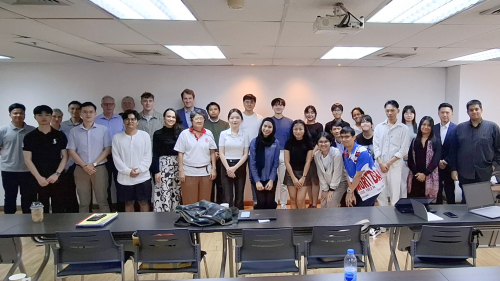
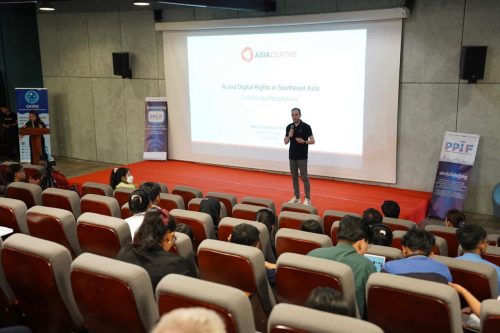
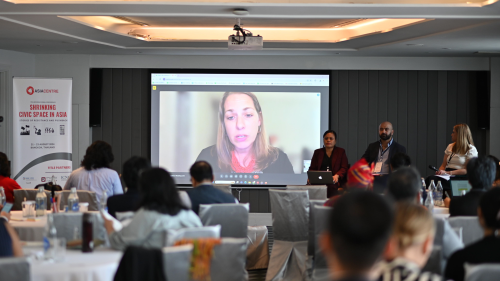
On 17 October 2024, Dr Marc Pinol Rovira, Research Manager at the Asia Centre, and Somaly Kum, Research Associate at the Asia Centre, participated in the Phnom Penh Internet Forum (PPIF), held in Phnom Penh spanning from 17-18 October 2024. The forum sought to address digitalisation in Cambodia, the regulatory frameworks on cybercrime and data protection, and opportunities for Cambodia in the digital world.  More than 100 participants joined the event with representatives from government agencies like the Ministry of Agriculture, Forestry and Fisheries and the Ministry of Social Affairs Veterans and Youth Rehabilitation, INGOs, civil society organisations, the media sector, and universities.  On the first day of the event, on 17 October 2024, Somaly Kum moderated the panel discussion Cambodia’s Vision Toward Digital Transformation: Challenges and Opportunities. The panel featured two speakers. The first speaker, Lam Socheat, Executive Director at Advocacy and Policy Institute, and Pa Chanroeun, is the President of the Cambodian Institute for Democracy. The discussions highlighted concerns about the blocking of independent media outlets by private internet providers and the need for government regulations to protect internet freedoms.  Additionally, the panel addressed the lack of internet access in rural areas, emphasising the necessity for government investment in public wifi infrastructure. The conversation underscored the vital role of civil society organisations in advocating for digital transformation and ensuring that the benefits of digital technologies are accessible to all citizens.  During the afternoon session, Dr Marc Pinol Rovira, presented “Artificial Intelligence and Digital Rights in Southeast Asia: Civil Society Perspectives” at the TEDx Talk session. His presentation focused on three key ideas. First, Dr Marc Pinol Rovira highlighted that Southeast Asia—particularly Cambodia—is lagging in the adoption of AI technologies compared to other countries in the region. This delay negatively impacts Cambodia’s digital transformation, as its limited readiness prevents various stakeholders from fully benefiting from AI advancements. Second, he emphasised the urgent need for robust legal frameworks to regulate AI, focusing on a human-centric approach that prioritises good governance and ethical considerations. He pointed out that the development of AI has largely been geared towards commercial and governmental use, leaving CSOs without adequate support.  Third, Dr Pinol Rovira underscored that the regulatory process is being predominantly led by governments and technology companies, often marginalising CSOs, despite their essential role in the digitisation process. He called for stronger collaboration between government agencies, technology firms, and CSOs to ensure a more inclusive and balanced approach to AI governance. The presentation concluded with a round of questions and answers, during which two critical topics were discussed based on audience questions and comments. First, there was a strong emphasis on the importance of developing a robust legal framework to regulate AI use. This framework should ensure that the opportunities presented by AI can be fully maximised while safeguarding civic freedoms for all. The need for a balanced approach that promotes innovation without compromising rights was highlighted as essential. Second, the discussion focused on creating more opportunities for civil society organisations to actively participate in the development of AI regulations. It was noted that gathering insights from a diverse range of social groups periodically is vital to ensuring that laws remain relevant and responsive to societal needs. This would enable systematic reviews and amendments to AI regulations as necessary, ensuring a more inclusive and adaptive legal framework. With its participation in the Phnom Penh Internet Forum 2024, the Asia Centre reinforces its work at the intersection of digital technologies and governance in Southeast Asia, particularly Cambodia. Over the past five years, the Centre has published several key baseline studies, including Internet Freedoms in Cambodia: A Gateway to Control (2021) and, more recently, Online Content Regulations in the Asia-Pacific: Limiting Civil Society’s Capacity to Hold Governments Accountable (2024) and Digital Security for High-risk Users in the Asia-Pacific: Needs Assessment Report (2024). Acknowledging the growing importance of AI, the Asia Centre’s 10th International Conference in 2025 will focus on the impact of artificial intelligence on governance, with a particular emphasis on its effects on civil society, democracy, and media in Asia. The conference, titled AI and Governance in Asia: Civil Society, and Media, will be held in Bangkok from 20 to 22 August 2025. This event will provide a platform to explore the challenges and opportunities AI presents for governance structures, ensuring that these discussions continue to involve key regional stakeholders. Asia Centre is a civil society research institute in Special Consultative Status with the United Nations Economic and Social Council. It serves as a knowledge partner and undertakes evidence-based research as well as provides capacity-building training for end beneficiaries. If you would like to collaborate with the Centre, please send an expression of interest to contact@asiacentre.org. Follow Asia Centre’s social media channels for more information.

Digital Security for High-risk Users in the Asia-Pacific: Needs Assessment Report

Download Full Report Since the mid-2000s, the internet has shaped politics in the Asia-Pacific region. As internet and social media penetration increases, the risks for those using new technologies to advocate for public accountability have also increased. In 2022, the region accounted for 31% of global cyberattacks, with governments and proxies as key perpetrators. These attacks often target governments like Taiwan and in other jurisdictions, opposition politicians, civil society organisations and rights defenders. Methods of attack include digital surveillance, hacking and disinformation campaigns. Current mitigation efforts, such as VPNs and multi-factor authentication, are insufficient; and digital security is not prioritised widely. Therefore, and against this backdrop, there is a critical need for enhanced digital security training to protect high-risk users. This report undertakes a needs assessment to identify the key elements needed to improve digital security for high-risk users in the region. The findings show that there are three main clusters of threats: legal regulation, digital surveillance and information operations. To address these threats, the report provides recommendations to strengthen digital security training, including more contextualised and region-specific training, improved monitoring systems, and adopting open-source technologies to build stronger digital defences. As new technologies evolve, periodic updates to digital security strategies and training curricula are essential to ensure continued online safety for those advocating for public accountability.  

The International Development Research Centre (IDRC): Forging Coalitions and Defending Information Integrity to Strengthen Civic Spaces

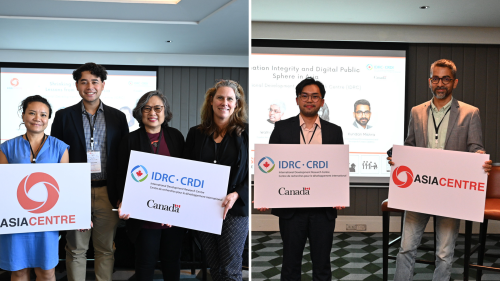
Structural challenges to civic spaces caused by laws, policies and other hindrances, particularly the critical role of media in fostering information integrity, must be examined to ensure civic spaces in Asia remain well-functioning. Towards that end, the civil society sector must build and sustain a cross-sector coalition to support one another. This was the main message across the two panel discussions hosted by the International Development Research Centre (IDRC) during Asia Centre’s 9th Annual International Conference, held in Bangkok from 21 to 23 August 2024 under the theme “Shrinking Civic Space in Asia: Stories of Resistance and Pushback.”  In her opening remarks on 21 August 2024, Caroline Ford, Director of IDRC, framed the two panel discussions in the conference by stressing that civic space is a vital collective realm where civil society organisations influence and define societal values. When civic space shrinks, it leads to unequal access to freedoms and policymaking. To tackle these issues, we must draw insights from countries with a rich history of vibrant civic spaces, such as Thailand and Burma. Expanding civic space also requires ensuring the integrity of information, particularly online, as it significantly impacts electoral outcomes and civic engagement.  On 23 August 2024, IDRC hosted the first plenary session of the day “Shrinking Civic Space – Lessons from Southeast Asia”. This panel was moderated by Caroline Ford – Director of Democratic and Inclusive Governance, IDRC to discuss the evolving nature of civic engagement and activism in Asia. The panel focused on the key role CSOs in Thailand and Burma can play to impact laws and policies in their country. Naiyana Thanawattho, Executive Director, Asylum Access Thailand (AAT), highlighted AAT’s efforts in collaborating with paralegal volunteers to support refugee communities within Thailand. She said they work to uphold refugees’ rights under both Thailand’s legal framework and international law. She added, AAT also shares data with other international organisations. Their strategy to hold the government accountable involves leveraging pressure from international treaties Thailand has signed. Pyrou Chung, Director, East-West Management Institute’s Open Development Initiative, Knowledge for Development Foundation, highlighted the critical need for collaboration of CSOs from different sectors. She also stressed the challenges faced by indigenous communities in gaining legitimacy and representation. To effectively address issues affecting indigenous peoples, it is essential to mobilise human rights experts, CSOs dedicated to marginalised groups and other NGOs to work together. Napas Thein, Fellow, Burma Policy and Community Knowledge Hub (MyPACK),  shared the Burma context. While CSOs are actively addressing various issues in the country, the government has often overlooked their concerns. He proposed that a more effective approach would be to form a large coalition, leveraging academic expertise from abroad, rather than having CSOs work independently to influence the government. By building such a coalition, it would be possible to engage productive student groups focused on Burmese issues, connect with the Burmese community, and enlist the support of professors for fundraising and developing solutions for Burma. Later in the day, IDRC hosted a second panel: “Information Integrity and the Digital Public Sphere in Asia”. It delved into the interplay between information integrity and the digital public sphere. Kundan Mishra, Senior Program Officer, IDRC acted as a moderator for this panel. Rossine Fallorina, Sigla Action Research Center, shared that the primary concern with disinformation, especially during elections, is the inability to identify the sources behind it. Additionally, the lack of a clear definition and effective measures for disinformation has contributed to a muddled political discourse. Wathshlah Naidu, Centre for Independent Journalism, highlighted the need to address the state’s responsibilities in the digital realm to safeguard information integrity. However, she stressed that the government must avoid excessive regulation that could infringe upon freedom of expression and speech. Malavika Rajkumar, Senior Associate – Research and Policy Engagement, IT for Change, emphasised that freedom, plurality and diversity are fundamental principles when thinking about information integrity. To enhance information integrity, she urged the government to decentralise information, which would improve transparency and reduce the threat of information censorship. IDRC’s partnership at Asia Centre’s 9th conference builds on the strong collaboration that began during the 7th conference in 2022. Now in their third year of cooperation, this year’s collaboration provides a valuable opportunity for both Asia Centre and IDRC to further strengthen their partnership and establish a foundation for continued cooperation. The International Conference is Asia Centre’s annual event where it brings together its partners to share the outcomes of their programmes and network for future collaborations. Over the years, the conference has become a platform for a range of actors to meet and discuss key democracy and human rights issues. To view the main conference article, articles on individual title partners, as well as TikTok videos and a photo album, read the main conference piece here. If you would like to become a Conference partner for Asia Centre’s 10th International Conference “AI and Governance in Asia” or explore other collaboration opportunities, email us at contact@asiacentre.org. For more information, click here. Asia Centre is a civil society research institute in Special Consultative Status with the United Nations Economic and Social Council. It serves as a knowledge partner and undertakes evidence-based research as well as provides capacity-building training for end beneficiaries. If you would like to collaborate with the Centre, please send an expression of interest to contact@asiacentre.org. Follow Asia Centre’s social media channels for more information.

Radio Taiwan International: The Vanguards of Democracy – Resisting Foreign Interference

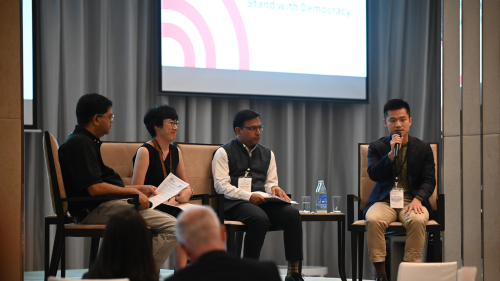
Radio Taiwan International (Rti) served as a new title partner for Asia Centre’s 9th Annual International Conference, “Shrinking Civic Space in Asia: Stories of Resistance and Pushback,” held in Bangkok, Thailand, from 21 to 23 August 2024. Through its participation in the conference, Rti underscored the importance of fostering global collaboration in a unified effort to defend democracy; they also stressed that indigenous voices must be heard and represented to protect and expand civic spaces across Asia. On 21 August 2024, the evening before the main conference days, Rti hosted the opening panel of the conference titled “Borders and Ethnicities – Stand with Democracy.” The panel was moderated by Dr James Gomez, Asia Centre’s Regional Director. The first speaker was Kacey Wong, who participated in the panel via video to convey the urgent need for international collaboration to protect small countries from authoritarian expansion and foreign interference by their larger neighbours. This he said can be done through soft power, art and culture. He emphasised that collective action and solidarity are essential for countering the threats posed by authoritarian regimes. Kacey spoke of an “emergency community” underscoring the need for global collaboration and resilience in defending democracy and self-determination, especially in times of crisis and war. From Rti, Isis Lee stressed the importance of international cooperation in countering authoritarian threats, with the Ukraine crisis serving as a warning for Taiwan regarding China. She emphasised the need for global solidarity as Taiwan faces potential conflict. She also highlighted the importance of inclusivity in civic spaces, particularly integrating immigrant communities and ensuring their access to information and services. She underscored the growing presence of international journalists in Taiwan and the need to collaborate globally, ensuring Taiwan’s narrative is told by its own people, not through China’s perspective. Oleksandr Shryn, also from Rti, highlighted the need for small countries to fight for their self-determination and representation,  as their stories are told through foreign narratives. He emphasised that both Ukraine and Taiwan face similar challenges, including the external distortion of their narratives – Ukraine’s story has long been told by Russians, while Taiwan’s has been shaped by China’s perspectives. He noted that self-representation and political nationalism resonate strongly with Taiwan’s current situation and their need to assert their own narrative. Dr Niranjan Sahoo, Senior Fellow at the Observer Research Foundation in India, provided insights into the context of India, the world’s largest democracy. He emphasised the crucial role that news and social media play in countering dominant narratives and fostering democratic discourse. Dr Sahoo underscored the importance of revitalising civic space and reopening deliberative forums. Recent political dynamics in India have highlighted the suppression of various civil society groups, including farmers, students and trade unions. The revival of these forums is essential for re-engaging diverse voices in democratic processes. During the Q&A session, questions were raised about the foreign media representation of Taiwan and Ukraine, and how narratives shaped by external sources impact these countries’ images and identities. Oleksandr responded by emphasising the need for Ukraine to remove the Russian language from its media and political landscape. He argued that sharing a common language with Russia, the foreign intruder, makes Ukraine more accessible and thus more vulnerable to external interference, which in turn justifies such interference. Taiwan’s role as a beacon of democracy was also emphasised during the opening remarks on 22 August 2024. Cheryl Lai, Chairperson of Rti, highlighted that Taiwan, with its successful democratic transition, should advocate for democratic developments in neighbouring countries such as Myanmar, Hong Kong and Mongolia. She further stressed the importance of promoting inclusivity and diversity within civic spaces, particularly in the context of media and radio broadcasting. Rti hosted a second panel on 22 August titled “Beyond Borders and Ethnicities – Amplify the Voice and Diversity”. The panel was moderated by Cheryl Lai at Rti. Filip Noubel, Managing Editor at Global Voices, Taiwan, highlighted the importance of supporting a diversity of narratives in newsrooms and decolonising them to expand civic space. He noted that embracing linguistic diversity is crucial for accurately conveying stories and contexts, especially in the media landscape. Each language offers unique cultural insights, and ensuring messages are communicated appropriately enhances the depth and inclusivity of news coverage. Tony Thamsir, Broadcaster and Presenter at Radio Taiwan International, shared his personal journey towards embracing diversity. As an Indonesian Chinese, Tony faced discrimination and threats from Indonesians, which led him to distance himself from his Indonesian heritage and avoid working with Indonesians. However, after collaborating with Indonesian immigrants in Taiwan, he began to adopt a more open-minded perspective. Through this experience, Tony learned to appreciate and embrace diversity, overcoming his earlier biases and gaining a broader understanding of different cultures. Mulihay Talus, Host at FM 96.3 Alian Radio, Taiwan, promoted diversity by sharing her personal story on the culture of the Sakizaya tribe in Taiwan. The Sakizaya have endured oppression, including land displacement and political exclusion. With Taiwan’s development into a democratic nation, there has been progress in recognising the Sakizaya and addressing past injustices. Dr Martin Petlach, Assistant Professor at Mendel University, Czech Republic, stressed the importance of public trust between the government, media, and other relevant institutions in Southeast Asia. He argued that fostering social trust can significantly enhance engagement between various stakeholders, including indigenous communities, ultimately leading to the expansion of civic spaces. During the Q&A session, panellists and participants discussed how the cultures, languages, and tribal traditions of indigenous peoples can be preserved and protected. Mulihay shared a story about the language teaching and learning structure of the Sakizaya tribe. The programme involves a three-hour session every Saturday for different age groups. RTI’s participation in Asia Centre’s 9th conference nurtured and further strengthened the partnership with the Asia Centre. This partnership follows the signing of a Memorandum of Understanding (MoU) on 25 September 2023, which established a formal framework for cooperation between the two organisations. The MoU outlines their shared commitment to working together on various initiatives aimed at promoting democratic values,

The International Center for Not-for-Profit Law (ICNL): COVID-19’s Lessons: Safeguarding Civic Space in Future Crises

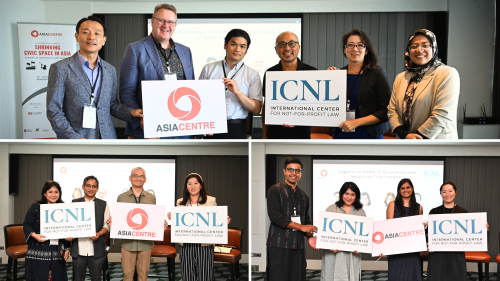
Learning how governments managed the COVID-19 is crucial for protecting civic spaces and enhancing resilience and preparedness for future emergencies in Asia. This central theme emerged from all three-panel discussions hosted by the International Center for Not-for-profit Law (ICNL) – a Tier 1 title partner – during Asia Centre’s 9th International Conference, “Shrinking Civic Space in Asia: Stories of Resistance and Pushback,” held from 21 to 23 August 202 in Bangkok, Thailand. During her opening remarks on 22 August 2024, Julie Hunter, ICNL’s Senior Legal Advisor for Asia & the Pacific, outlined how ICNL’s contribution to the conference is aimed to reflect on the impact of the COVID-19 pandemic. She emphasised that the pandemic raised not just public health concerns, but also about the infringement of civic freedoms. As future pandemics or other public emergencies are anticipated, it is essential to review both the negative impacts and the best practices from this period. This approach will facilitate the adoption of preventative strategies to better safeguard civic freedoms moving forward. Following the opening remarks, Julie Hunter moderated the first of the three ICNL panel discussions. Entitled, “Best Practices in Collaborative Governance of Public Emergencies”, the panel focused on pandemic best practices across Japan, New Zealand, South Korea and Taiwan, drawing on a series of reports that ICNL had published on these countries. Five speakers, including the authors of the reports, discussed effective strategies and lessons that other nations can learn to enhance governance during public emergencies while upholding civic freedoms. Lina Salim, Programme Coordinator at the Asia Centre, and Aoi Horiuchi, Senior Advocacy Officer at the Japan NGO Center for International Cooperation (JANIC), highlighted Japan’s “soft legal strategy”, which emphasised clear communication with the public, utilising “requests” rather than strict orders, and decentralising power to local authorities. This approach fostered effective local governance and minimised the need for broad, sweeping restrictions. Dr Bok Gyo Jeong, Associate Professor at Kean University (New Jersey, USA), emphasised that South Korea’s success in managing the pandemic while ensuring civic freedoms was primarily due to the strong collaboration between the government, the private sector and civil society. He pointed out that the creation of an enabling environment – marked by effective information-sharing and active stakeholder consultation – was key to this achievement. In New Zealand, Dr Dean Knight, Professor of Law, Victoria University of Wellington, explained that the broad Executive authorities conferred by COVID-19 laws and policies were grounded in legislative and judicial checks & balances and, most importantly, were accountable to the country’s Bill of Rights Act. Protests during that period, for instance, were protected and actions were taken only against individuals who had abused their freedom to assemble and express. Dr Shawn Shieh, Founder and Director of Social Innovations Advisory and Freshwater Institute, described Taiwan’s pandemic management as composed of three key aspects: information transparency; government accountability through the implementation of rights-respecting laws and effective checks & balances; and cross-sector collaboration founded in strong societal trust, notably with the civic tech community that resulted in tracking website and fact-checking institutions. On 23 August 2024, ICNL hosted its second panel discussion titled “National Government-Run Relief Funds and Other Barriers to CSO Resourcing.” Moderated by Julia Wang, ICNL’s Legal Advisor for Asia & the Pacific, the panel brought together three panellists who addressed the critical need for more effective funding models and resource allocation for civil society organisations during public emergencies, such as the COVID-19 pandemic. Biraj Patnaik, Executive Director of the National Foundation for India, noted that laws like India’s Foreign Contribution (Regulation) Act limited options for international resourcing for civil society organisations. In the vacuum, the government has managed relief funds and gathered resources, but this approach has proven ineffective and lacks transparency. Patnaik suggests that allowing cross-border funding for civil society organisations would enable funds to be implemented more effectively. Jose Africa, Executive Director, IBON Foundation, noted that in a country like the Philippines, the main barrier to civil society resourcing is laws and regulations that can be invoked to ban organisations deemed threatening national security. This results in citizens being afraid of providing support, of any kind, to CSOs in the country. Therefore, an enabling legal framework is required for effective support to civil society in the region. Kirana Anjani, Program Coordinator for Democracy and Fundamental Freedoms, ASEAN Parliamentarians for Human Rights, offered a model of a civil society trust fund in a context where civil society funds are limited through regulatory barriers. Models such as this that seek to provide resources to civil society organisations would decentralise funding from government and authorities during public health crises in the future. Building on the discussions from the two previous panels, ICNL hosted a third panel on 23 August 2024 titled “Legacies of COVID-19 Governance and Impacts on Civic Freedoms.” Moderated by Lily Liu, ICNL’s Legal Advisor, this session featured a panel of researchers who shared critical insights into the enduring impacts of the pandemic on governance and civic freedoms. Prashant Singh, a legal researcher based in India, noted that the role of civil society organisations issuing reports and policy recommendations to monitor governments was critical in ensuring that authorities are held accountable. Such roles must be safeguarded in future emergencies. Meghna Sharma, another legal researcher in India, highlighted the important role of human rights documentation during the COVID-19 pandemic, which was critical in ensuring evidence-based advocacy. She noted that, in future emergencies, the focus should be put on these activities as a foundation for calls for legal reforms and government accountability. Kirana Anjani from ASEAN Parliamentarians for Human Rights called on the civil society sector to form broad and multisectoral coalitions, where they can work together to address wide-ranging issues from public health to civic freedoms during future pandemics. This would not only strengthen civic spaces but also allow civil society activists to be able to effectively serve their roles during public emergencies. ICNL’s participation in this conference reflects the Asia Centre’s ongoing collaboration with ICNL. Across 2023, the Asia Centre, in

Counterpart International: Strategies for Restoring Civic Spaces

Counterpart International (CI) was a new title partner in Asia Centre’s 9th International Conference, held from 21 to 23 August 2024 in Bangkok, Thailand, under the theme “Shrinking Civic Space in Asia: Stories of Resistance and Pushback”. CI’s contributions throughout the Conference centred on the need to develop a comprehensive blueprint to guide the reopening of civic spaces and safeguard democratic values. This message emphasised the importance of strategic planning and actionable approaches to counteract the restrictions on civic freedoms and to promote resilience within the region’s civil society. Through its involvement, CI underscored the critical need for coordinated efforts and innovative solutions to combat shrinking civic spaces in Asia.  On 23 August 2024, CI convened a panel titled “Strategies for Defending and Expanding Civic Space: Tactics for Building Positive Relationships with Decision Makers.” This session was designed to equip civil society leaders and activists with practical tools and tactics for cultivating constructive relationships with decision-makers. The panel aimed to foster collaboration and enhance the ability of civil society organisations to navigate and expand civic spaces, even in the face of restrictive environments. Arzak Khan, Digital Policy Expert at Innovation for Change – South Asia Hub in Pakistan, emphasised the importance of developing strategies to build effective and positive relationships with decision-makers. He noted the complexities of navigating bureaucratic systems, suggesting that untangling these structures is crucial for identifying barriers to opening civic spaces and highlighted the necessity of direct lobbying, coalition-building, and networking as key tactics for engaging a wide range of actors, from supporters to decision-makers. His insights underscored the need for strategic engagement and collaboration to overcome obstacles and advance the cause of expanding civic spaces. Sarah Little, Governance & Civil Society Specialist at Counterpart International, introduced a framework for Civil Society Resilience in Closing Spaces. This framework, she emphasised, is designed as practical guidance for CSOs to navigate and respond to the challenges posed by shrinking civic spaces, stressing its importance in classifying civic spaces based on their levels of openness or vulnerability to closure. Such classification is crucial for effectively identifying and engaging with the sectors and agents responsible for these closures. The framework aims to provide actionable strategies and best practices to help CSOs address and counteract the erosion of civic space. By offering a structured approach to understanding and responding to these challenges, the framework seeks to bolster the resilience of civil society in increasingly restrictive environments. Kourtney Pompi, Senior Director of Governance at Counterpart International, emphasised the critical connection between the tool presented, ‘Civil Society Resilience in Closing Spaces’ and its practical implementation. For the tool to be effective, she said it is important to map and identify the sectors and actors that are affected by restrictive civic spaces before implementation. She also highlighted the need to address the various dimensions of civic space – such as its political, digital or economic nature – and the challenges posed by limited resources, time, and personnel in the effort to expand and open up these spaces. Pompi stressed that civic spaces are not uniform; while some situations may require active pushing or challenging of governments to effect change, other scenarios might benefit more from fostering constructive dialogue and building effective relationships. Her insights underscored the importance of tailoring approaches to the specific context and needs of each civic space, recognising that flexibility and strategic engagement are essential for advancing civic freedoms. Flora Soriano Menezes from the Judicial System Monitoring Programme (JSMP) at Counterpart International outlined the organisation’s strategy to improve court processes in Timor-Leste. She stressed the need for effective communication within the judiciary, mandatory recording of court proceedings, and adherence to international standards. She highlighted the success of JSPM’s focus on legal assistance, education, and advocacy, demonstrated by the National Parliament’s collaboration with JSMP on legislation. Additionally, Soriano Mendez noted that political instability, restrictive defamation laws, and conservative norms occasionally threaten Timor-Leste’s civic space. After the presentations, participants engaged in a lively Q&A session, where they posed pertinent questions and sought clarifications on the topics discussed. A prominent discussion point was the management of risks associated with decision-making when engaging with stakeholders, including bureaucrats and policymakers. The panel underscored the importance of avoiding close associations with any single stakeholder, suggesting a strategy that involves mapping key stakeholders and tracking their influence and relevance. This approach is particularly crucial in the event of a government shift, as it helps in diversifying collaborations and maintaining professional relationships to mitigate risks. The panel recognised that significant policy changes often require time, and thus, maintaining a broad network is essential. The session concluded with an interactive segment addressing Civil Society Resilience in Closing Spaces, where the audience assessed the state of civic space in their respective countries. Participants mapped and visualised the dimensions of civic space using varying colours to illustrate different levels of openness and restrictions. They also shared innovative ideas on how to bolster the resilience of civil society, contributing to a comprehensive discussion on strengthening civic engagement and advocacy.  The urgent need to re-open civic spaces was also underscored during the welcome remarks on 22 August 2024 by Sarah Little, Governance & Civil Society Specialist at Counterpart International (CI). She highlighted the need to strengthen democracy and open up civic spaces. Her address set the stage for CI’s involvement throughout the event, including a panel that focused on instances of progress in defending open civic spaces and exploring strategies to counteract the backlash against these freedoms. She also underscored the significance of the partnership between the Asia Centre and CI, particularly mentioning the Global Coalition for Democracy (GDC), co-convened by CI and International IDEA. The Asia Centre is a member of this coalition, along with other institutions present at the conference – such as CALD and the International Republican Institute (IRI) – in a unified effort to strengthen and protect democracy and civic spaces. Asia Centre’s 9th Annual International Conference was the first occasion in which the Asia Centre and Counterpart International partnered to

International IDEA: Advancing Equity for Indigenous Communities

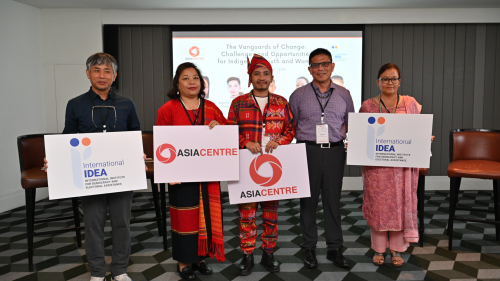
Indigenous communities across Asia are denied equal treatment and face significant challenges related to rights, representation and safety. Despite official legal recognition, these communities often feel powerless as the civic space to advocate for their rights and needs is diminishing.  This was the core message delivered via the panel titled “The Vanguards of Change and Opportunities for Indigenous Youth and Women” held by the International Institute for Democracy and Electoral Assistance (International IDEA) during Asia Centre’s 9th Conference “Shrinking Civic Space in Asia: Stories of Resistance and Pushback” in Bangkok from 21 to 23 August 2024. The panel served as a platform to amplify the voices of Indigenous peoples, providing them with a venue to share their messages and support their efforts to combat discrimination and advance the decolonisation of democracy. The International IDEA hosted the panel featured four speakers: Renuka Gurung from International IDEA Nepal; Edchamcy “Edward” Abelardo from the Bangsamoro Autonomous Region in Muslim Mindanao (BARMM) & International IDEA IP Champions; Professor Awi Mona from Dong Hwa University; and Falguni “Flora” Tripura from the Bangladesh Indigenous Women’s Network (BIWN).  Charu Bikash Tripura, from the Asia Indigenous Peoples Pact (AIPP), moderated the panel and opened the discussion by emphasising that two-thirds of the world’s indigenous peoples reside in Asia. Despite the official recognition of Indigenous rights by the United Nations through the 2007 enactment of the United Nations Declaration on the Rights of Indigenous Peoples (UNDRIP), he noted that Indigenous communities across Asia continue to face significant challenges, including violence and discrimination. Tripura stressed the urgent need to enhance the rights, representation, and self-determination of indigenous communities across the region, highlighting the ongoing struggles these communities face in securing justice and equality. Renuka Gurung from International IDEA Nepal highlighted that Indigenous communities in Nepal experience severe curtailments of their rights, including threats to their safety. She noted specific issues such as violence related to land grabbing, denial of fundamental rights like freedom of assembly, and instances of surveillance and harassment. These challenges reflect broader patterns of oppression faced by indigenous peoples in the region, underlining the need for increased protection and advocacy. From his perspective, Edward Abelardo, highlighted the marginalisation and suppression of rights faced by indigenous peoples in the Philippines, pointing out their lack of political participation, denial of legal rights, and inadequate political representation. According to Abelardo, the COVID-19 pandemic exacerbated these challenges by causing widespread displacement and increasing hardships. He emphasised the urgent need for enhanced advocacy, public awareness, and protection for these communities, citing troubling reports of extrajudicial, state-sponsored killings of Indigenous representatives in the southern regions of the country. The case of indigenous peoples in Taiwan was presented by Professor Awi Mona, National Dong Hwa University, highlighting the ongoing discrimination, hate speech, and legal obstacles faced by indigenous communities in Taiwan. He pointed out that these communities are denied full citizenship rights and that their advocates encounter racism and hostility. Despite Taiwan’s active civil society and movements like the Sunflower (2014) and Bluebird (2024) Movements pushing for constitutional reforms, indigenous peoples still face significant inequalities. Professor Mona criticised the limited and often superficial parliamentary representation of Indigenous peoples and emphasised the urgent need for improved protection and recognition of their rights. Flora Tripura’s presentation focused on the challenges faced by indigenous communities in Bangladesh. She highlighted that, similar to the situation in the Philippines, indigenous peoples in Bangladesh struggle with a lack of recognition, public participation, and access to justice. Particularly concerning are the severe dangers faced by indigenous women in rural areas, including rape, human trafficking, and systemic discrimination. Flora pointed out that these women are often victims of gender-based violence exacerbated by land-grabbing issues. She noted that since 2007, over 700 Indigenous women have endured repression and violence related to land disputes, emphasising the critical need for funding to support advocacy efforts and safeguard the rights of Indigenous communities, as they are frequently denied access to government resources and financial support. During the Q&A session, questions were raised related to the ratification of indigenous rights, risks of co-option and unrepresentative indigenous leaders in politics, the tensions between safeguarding indigenous self-governance and ensuring political participation as well as ways of how to support communities, network and social enterprise. In response to the questions, the panellists stressed the need to create systems that allow for democratic space for indigenous peoples within national frameworks, to ensure consultation and knowledge sharing and urging governments to be accountable for making indigenous voices heard and bringing various stakeholders together to safeguard and enhance the rights and recognition of indigenous communities. This message was also underscored during the welcome remarks of the conference where Leena Rikkilä Tamang, Director for Asia and the Pacific at International IDEA emphasised that the curtailment of civic space, particularly marked by the decline in fundamental rights such as freedom of expression and freedom of the press, is a pressing contemporary issue.  Asia Centre and International IDEA have nurtured strong informal and formal connections and continue to advance their long history of collaboration. During Asia Centre’s 9th Annual International Conference, held from 21 to 23 August 2024, the longstanding partnership between the two organisations was further strengthened. It continues a collaboration which follows from previous engagements, that saw International IDEA being a title partner for Asia Centre’s 8th International Conference on “Democracy and Elections in Asia” in August 2023.  Their formal partnership began with the signing of a Memorandum of Understanding (MOU) in 2022, marking a commitment to advancing democratic values and practices through joint initiatives. Thereafter, their collaborative efforts have included several significant initiatives. One key event was a closed consultation on “Digital Authoritarianism in Southeast Asia,” which took place in Bangkok, Thailand on 8 December 2022. This consultation brought together representatives from UN agencies, diplomatic missions, and civil society to address the impacts of digital authoritarianism in the region. Earlier, Dr James Gomez, Asia Centre’s Regional Director, presented on the effects of disinformation on media trust at International IDEA’s “Democracy in Asia

9th International Conference (2024) Shrinking Civic Space in Asia: Stories of Resistance and Pushback

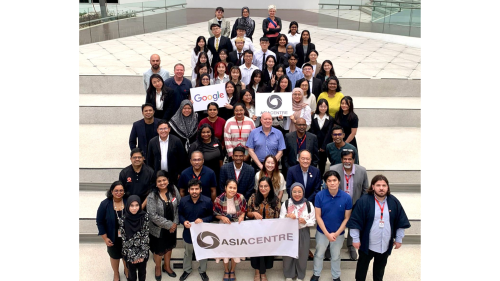
From 21 to 23 August 2024, Asia Centre convened its 9th International Conference on “Shrinking Civic Space in Asia: Stories of Resistance and Pushback”. Held on-site at the Pullman G Hotel in Bangkok, Thailand, the event brought together 120 participants from 27 countries, including members of INGOs, civil society organisations (CSOs), policymakers, and academics. The conference provided a platform for these stakeholders to discuss the challenges to civic space across the region, focusing not only on the difficulties that many actors currently face but also on their stories of resilience and resistance. Against the backdrop of increasing restrictions on freedom of expression, association, and assembly, the conference created a vital space for sharing strategies and fostering collaboration in the ongoing efforts to defend and expand civic spaces in Asia. Asia Centre’s 9th International Conference was supported by six title partners: the International Development Research Centre (IDRC), Taiwan Foundation for Democracy (TFD), International Center for Not-for-Profit Law (ICNL), Radio Taiwan International (Rti), International Institute for Democracy and Electoral Assistance (International IDEA), and Counterpart International. The conference also featured six panel partners: the Council of Asian Liberals and Democrats (CALD); Thuraisingam International (Singapore); International Republican Institute (IRI); School of Humanities and Social Sciences of La Trobe University (Australia); Pacifica G.K. (Japan); The Asia Foundation; and the Media Studies and Journalism Department at the University of Liberal Arts Bangladesh (ULAB). One workshop on digital security was also delivered. This initiative by the Asia Centre, supported by Google, is part of a region-wide project implemented by the Centre to roll out digital security training to high-risk users in twelve countries in the Asia-Pacific.  A total of sixteen panels were organised during the conference, featuring 70 speakers, with a gender distribution of 60% male and 40% female. On the evening of 21 August, Dr James Gomez, Asia Centre’s Regional Director, welcomed all title and panel partners, panellists, and participants to Bangkok before chairing the inaugural discussion and first plenary session of the conference, Panel 1 of the conference, hosted by Radio Taiwan International (Rti). The panel highlighted the rising importance of global collaboration and solidarity in defending small democracies like Taiwan and Ukraine against authoritarian threats using soft power, art and culture, and supporting their fight for self-determination through inclusive civic spaces and democratic discourses. On 22 August, the conference commenced with opening remarks from Dr James Gomez of the Asia Centre. This was followed by remarks from representatives of the conference’s title partners. Caroline Ford, Director of the Democratic and Inclusive Governance Division at the International Development Research Centre (IDRC), gave the first remarks, followed by Julie Hunter, Senior Legal Advisor at the International Center for Not-for-Profit Law (ICNL), Cheryl Lai, Chairperson of Radio Taiwan International, Leena Rikkilä Tamang, Director for Asia and the Pacific at International IDEA, and Sarah Little, Governance & Civil Society Specialist at Counterpart International. The welcome remarks were followed by a Memorandum of Understanding (MoU) signing ceremony between the Asia Centre and the Council of Asian Liberals and Democrats (CALD). Dr James Gomez, Regional Director of the Asia Centre, and Mardi Seng, an elected Senator from Cambodia and CALD’s Chairperson, represented their respective organisations. This MoU marks the renewal of a partnership with CALD that began with the first MoU signed in 2019. Since the Asia Centre’s establishment in 2015, the two organisations have collaborated on evidence-based research and capacity-building activities. With this renewed commitment, the Asia Centre and CALD aim to create more opportunities for strengthening and expanding civic spaces across Asia. On 22 August, eight panels were convened, addressing a diverse range of topics including governance and civic space, challenges to democracy and mainstreaming inclusivity and diversity in democratic spaces, to highlight the need for inclusive governance, legal protections, and diverse voices to strengthen civil society and uphold democratic values. The panels for Day 1 were as follows: Panel 2: “Best Practices in Collaborative Governance of Public Emergencies,” hosted by the International Center for Not-for-Profit Law (ICNL); Panel 3: “Shrinking Civic Space – Lessons from Southeast Asia,” hosted by the International Development and Research Centre (IDRC); Panel 4: “Criminalization and Prosecution of Changemakers,” hosted by the Council of Asian Liberals and Democrats (CALD); Panel 5: “Political Parties and Civil Society: Exploring How Opposition Parties Bolster or Undermine the Civic Space,” hosted by the International Republican Institute (IRI); Panel 6: “National Government-Run Relief Funds and Other Barriers to CSO Resourcing,” hosted by the International Center for Not-for-Profit Law (ICNL); Panel 7: “Beyond Borders and Ethnicities – Amplify the Voice and Diversity,” hosted by Radio Taiwan International (Rti); Panel 8: “Fake News and Democracy,” hosted by La Trobe University. Workshop: “Digital Security Training for High-Risk Users in the Asia-Pacific” hosted by Asia Centre, supported by Google APAC. On 23 August, eight more panels were convened on empowering the marginalised communities, ensuring the integrity of information, and reclaiming the role of civic actors in shaping democratic futures. The panels for the day were as follows: Panel 9: “The Vanguards of Change: Challenges and Opportunities for Indigenous Youth and Women,” hosted by International IDEA; Panel 10: “Strategies for Defending and Expanding Civic Space: Tactics for Building Positive Relationships with Decisionmakers,” hosted by Counterpart International; Panel 11: “Information Integrity and Digital Public Sphere in Asia,” hosted by the International Development Research Centre (IDRC); Panel 12: “For Free Civil Activities in Today’s World Where Social Networking Has Become the Norm: A Case Study on Young Generation in Japan,” hosted by Pacifica GK; Panel 13: “An Antidote to Democratic Decline? Stories of Deliberative Democracy from Asia,” hosted by the Asia Foundation Moderator; Panel 14: “Legacies of COVID-19 Governance and Impacts on Civic Freedoms,” hosted by the International Center for Not-for-Profit Law (ICNL); Panel 15: “Navigating and Reclaiming Civic Spaces: Strategies, Support, and Case Studies from Asia and Beyond,” hosted by the Asia Centre; Panel 16: “A New Dawn for Bangladesh: Success of the Student Movement,” hosted by the University of Liberal Arts Bangladesh (ULAB). The three-day conference concluded with a final networking opportunity

Oxfam Young Leader Fellowship Programme 2024 Kicks Off

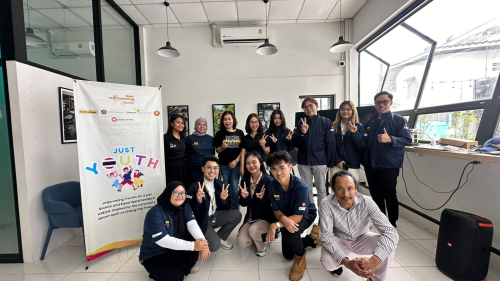
Asia Centre hosted the 2024 Oxfam Young Leader Fellowship Programme from 1st to the 5th of July 2024 in Bangkok, Thailand. This is the second cohort (read about the first cohort here), in which the fellowship aims to equip eight youths from eight different countries in Asia with the tools, skills, knowledge and networks to drive positive change in their communities. Apart from a week of onsite induction, close mentorship and hands-on practice will be other ways in which the fellows will be supported throughout the fellowship. The eight fellows chosen for the 2024 cohort are Seena Kimhoihching from India, Achmad Zulfikar Luthfi from Indonesia, Bhawana Ghimire from Nepal, Mehrosh Zahid from Pakistan, Jonathan Israel Gelogo from the Philippines, Vishnuvardhanan Padmanabhan from Sri Lanka, Isaura Baptista Barros from Timor Leste, and Nguyen Minh Ha from Vietnam.  These fellows were selected from a diverse pool of over 1000 candidates through a series of shortlisting processes including interviews. Collectively they represent a group of aspiring individuals who possess the vision and determination to bring about positive change within their respective societies on pressing issues such as land rights, climate justice, and LGBT+ inclusive education. During the induction week, the Fellows took part in a total of 10 leadership modules, several media workshops as well as reflection and brainstorming sessions. Apart from leadership skills, the sessions were geared to assist in the conceptualisation of their projects and strategise their advocacy efforts.  Day One commenced with an introduction to the programme, including the goals of the induction as well as the expectations of the fellows. The induction began with remarks from John Samuel, the Regional Director of Oxfam, who outlined the key challenges in contemporary Asia followed by how the fellowship can respond to these challenges by empowering young advocates in the Asian region. Thereafter Kartini Sunityo and Fatin Arwaeputeh of the Asia Centre delivered the first leadership module, “Inclusive Youth Leadership”. This module sought to develop the fellows’ ability to work in an inclusive manner, with emphasis on teamwork, empathy, and the inclusion of diverse perspectives. Next, Ramesh Singh, a consultant on international development and social justice strategy, delivered the second leadership module on “Leadership Fundamentals: Understanding, Importance, and Challenges”. This session provided the fellows with a foundational understanding of leadership as well as the different types of leadership styles. This module, in conjunction with module one, provided excellent foundational knowledge of inclusive leadership that the fellows built upon throughout the week. Day Two began with the third leadership module, “Empowering Young Voices: Democracy, Human Rights & Civic Space ” by the Asia Centre’s Ekmongkhon Puridej and International Republican Institute’s (IRI) Tyler Esch. This module focused on youth and the intersections of democracy, human rights, and civic space in the region. Oxfam’s Mustafa Talpur presented the fourth leadership module, “Economic Justice (Income, Wealth & Gender Inequality)”. In this session, the fellows got the chance to deepen their understanding of the causes and impacts of economic inequality in society.   Dr. Wanun Permpibul, the executive director of Climate Watch Thailand, delivered leadership module five, “Youth Action for Climate Justice: Mobilising Voices and Building Partnerships”. This module began with an overview of climate change, including key terminology and concepts. The root causes of climate change: the burning of fossil fuels, and capitalism, in particular the capitalist economies of the Global North disparity between the Global South were also discussed. Kunthinka Nutcharut delivered the sixth leadership module, “Youth Leadership in the Digital Age”. Kunthinka told the fellows that the digital space is an excellent platform to campaign, but there are inherent risks to an advocate’s security when using digital spaces. Hence, advocates must take measures to protect themselves.  Day Three continued with Asia Centre’s Dr. James Gomez delivering leadership module seven, “Global Development Challenges, Actors and Civil Society Legitimacy & Accountability.’. Here, legal, financial and political challenges being faced by civil society were discussed. In this session, each fellow was able to share their own observations and reflections of civil society in their own countries. Following this, leadership module eight was a panel discussion on “Youth Roles and Leadership in Asia: Advancing Feminist Approaches for Gender Equality and Justice”. Wannapong (Nhuun) Yodmuang, Human Rights and Advocacy Manager at the Asia Pacific Gender Network, noted the issues faced by trans and gender-diverse people across the region, as identified by her organisation’s research, while Dewi Ratnawulan, a Senior Human Rights and Gender Advisor at Rapid Asia, discussed gender inequality issues as identified by Rapid Asia’s research. Leadership module nine was delivered by Ratpatsa Trirath of Oxfam in Thailand, entitled, “Cultivating Youth Advocacy for Ethical and Inclusive Business”. In this module, the difference between the terms ‘inclusive’ ‘responsible’, and ‘sustainable’ in business were highlighted. Here the important takeaway was that advocating for inclusive, responsible, and sustainable business can positively impact human rights in the community. Day Four began with the tenth leadership module, “Advocacy, Campaigning & Public Engagement Tools”. Mustafa Talpur from Oxfam introduced the history of the civil rights movements and examined their successes and failures, and how these lessons can be applied today. Following this, the fellows were introduced to several media workshop sessions. First, Oxfam’s Mufasta Talpur ran a session on Media Engagement & Mobilisation, helping  the fellows better understand how to “engage” with different marginalised groups through digital platforms. Second, Sanjay Gathia, the Founder and Director of the Borders and Broader Conversations Initiative discussed how media can be “mobilised” for social change, alongside the challenges and complexities associated with social media. He also informed the fellows of various media engagement strategies. Third, Nipuna Kumbalathara of CIVICUS delivered a session on “Why Digital Media Matters for Youth Leadership”. This session introduced the fellows to the art and practice of digital storytelling, and deepened their understanding of the pivotal role digital media has in shaping youth leadership and advocacy. Thereafter, the Asia Centre led a session on self-reflection. This encompassed an integration of insights where the fellows discussed their refined perspectives on social issues following the induction

CSOs Need to Guard Against Surveillance and Privacy Threats

CSOs in the region are confronting significant surveillance and privacy threats, but there are actionable steps they can take to mitigate these risks. This consensus emerged from the Asia Centre’s event on 18 July 2024, titled “Surveillance & Privacy: Safeguarding CSOs in the Age of Digital Threats”.  32 attendees, including CSOs from across the region joined the event which was part of the Digital Rights Programme for Civil Society Organisations, jointly organised by Asia Centre and Google Asia Pacific. Commencing in December 2023, the year-long Digital Rights Programme includes thematic online and onsite activities aimed at bringing CSOs together to address pertinent digital rights issues. During the event, six speakers highlighted current surveillance and privacy threats faced by CSOs and individuals in the region, the role of technology companies in perpetuating and preventing these threats, and how CSOs and individuals can take steps to protect themselves. The panel discussion featured Pavitra Ramanujam from the Association for Progressive Communications, Josie Tham from Privacy International, Quynh-Vi Tran from Legal Initiatives for Vietnam, Yin Maung from Engage Media, Nenden Sekar Arum from SAFENet, and Michael Caster from ARTICLE 19. Lina Sakin Salim from Asia Centre moderated the session. Pavitra Ramanujam, who leads the Digital Rights Work in Asia programme for the Association for Progressive Communications (APC), noted there was an increase in State and non-State actors maliciously targeting CSOs in the region. As the online space becomes more used by CSOs in their campaigns, governments have correspondingly responded by undertaking digital surveillance of communications such as phone calls, messages, or emails. Pavitra highlighted state-sponsored hacking activities, including the use of software like Pegasus for spying, and the issuing of takedown notices to social media platforms for certain content. She also noted instances of digital harassment and doxxing by non-state actors such as political, corporate, or religious groups targeting CSO-affiliated individuals.  Josie Tham, an Advocacy Officer at Privacy International, discussed Social Media Intelligence (SOCMINT), a form of surveillance where law enforcement and intelligence agencies collect and analyse social media data to identify potential threats. This includes accessing search histories, monitoring participation in online groups, reviewing user-posted content, and extracting data from social media pages. Josie highlighted the impact of SOCMINT on human rights such as privacy, freedom of expression, and public participation, and suggested strategies to mitigate SOCMINT collection, such as removing EXIF data from published images and disabling location access permissions.  Quynh-Vi Tran, the Executive Director of Legal Initiatives for Vietnam (LIV), focused on how international technology companies play a role in digital rights in Vietnam. She discussed Facebook’s role before and after the implementation of the 2018 Cybersecurity Law, highlighting its compliance with government regulations and its impact on CSO activities. Vi stressed the importance of alliances among large technology companies to defend digital rights, citing examples of advocacy successes in legislative processes.  Yin Maung currently leads and oversees digital rights and digital safety initiatives in Myanmar. He informed that the Junta is regularly employing internet shutdowns during critical periods of resistance, and has recently implemented a ban on using VPNs. Additionally, the Junta have formed an internet monitoring committee which prosecutes persons who post critical content. Yin explained the work that his organisation does to mitigate this, such as distributing VPNs and otherwise helping persons access the internet.  Nenden Sekar Arum, Executive Director of the Southeast Asia Freedom of Expression Network (SAFEnet), offered deeper insights into the Indonesian context. She discussed recent allegations of the Indonesian government using spyware, an issue yet to be resolved. Nenden emphasised the necessity for CSOs to forge cross-border alliances to strengthen advocacy efforts. She underscored the pivotal role of collaborating with technology companies to amplify CSO voices. Michael Caster, Asia Digital Programme Manager at ARTICLE 19, highlighted that CSOs are actively raising awareness about surveillance, privacy threats, and other digital security issues, despite facing targeted threats themselves. He pointed out challenges concerning transparency among major technology companies developing surveillance technologies and called for greater openness in government procurement and usage of such technologies. Michael suggested CSOs could promote transparency by urging governments to disclose their methods of procuring and employing surveillance technology. He stressed the importance of investigative journalism and activism alongside advocacy for technology reform. After the panel discussion, a Q&A session ensued. Pavitra highlighted that a person’s marginalised status may contribute to their experiencing of privacy threats, as for example LGBT+ persons in non-LGBT+ friendly countries face a high risk of harm if they are outed as LGBT+ from a privacy leak or targeted surveillance activity. Josie acknowledged the utility of the online space for CSOs but cautioned about the accompanying risk of SOCMINT activity directed against them. Vi further discussed how large technology companies can unite to push back against governments attempting to curtail digital rights. Yin discussed how technology companies in Myanmar are facing pressure to comply with government requests, and how the digital rights community in Myanmar is advocating for these technology companies to be held accountable. Nenden underscored the potential for CSOs to collaborate with international organisations, citing Indonesian examples. In 2019, amid significant challenges in the eastern part of Indonesia, specifically in Papua, international organisations offered crucial support. This assistance empowered Indonesian CSOs to legally contest governmental decisions, effectively pressuring both government and district courts. Finally, Michael discussed how democracies can push technology companies to support human rights. He highlighted that while technology companies often focus on profit, CSOs can advocate for a re-evaluation that includes social good. Michael also shared ARTICLE 19’s success in collaborating with technology companies to issue statements expressing dissatisfaction with certain governments’ laws.  The event concluded with an invitation to join the signal group of Digital Rights Programme for CSOs community in the region. Additionally, there was an invitation for all attendees to come to the Asia Centre’s 9th annual conference entitled “Shrinking Civic Space in Asia: Stories of Resistance and Pushback”. Finally, they were encouraged to follow the Asia Centre’s social media for more updates on relevant activities. Asia Centre is

© 2015 ASIACENTRE, BANGKOK, THAILAND. – INFO@ASIACENTRE.ORG